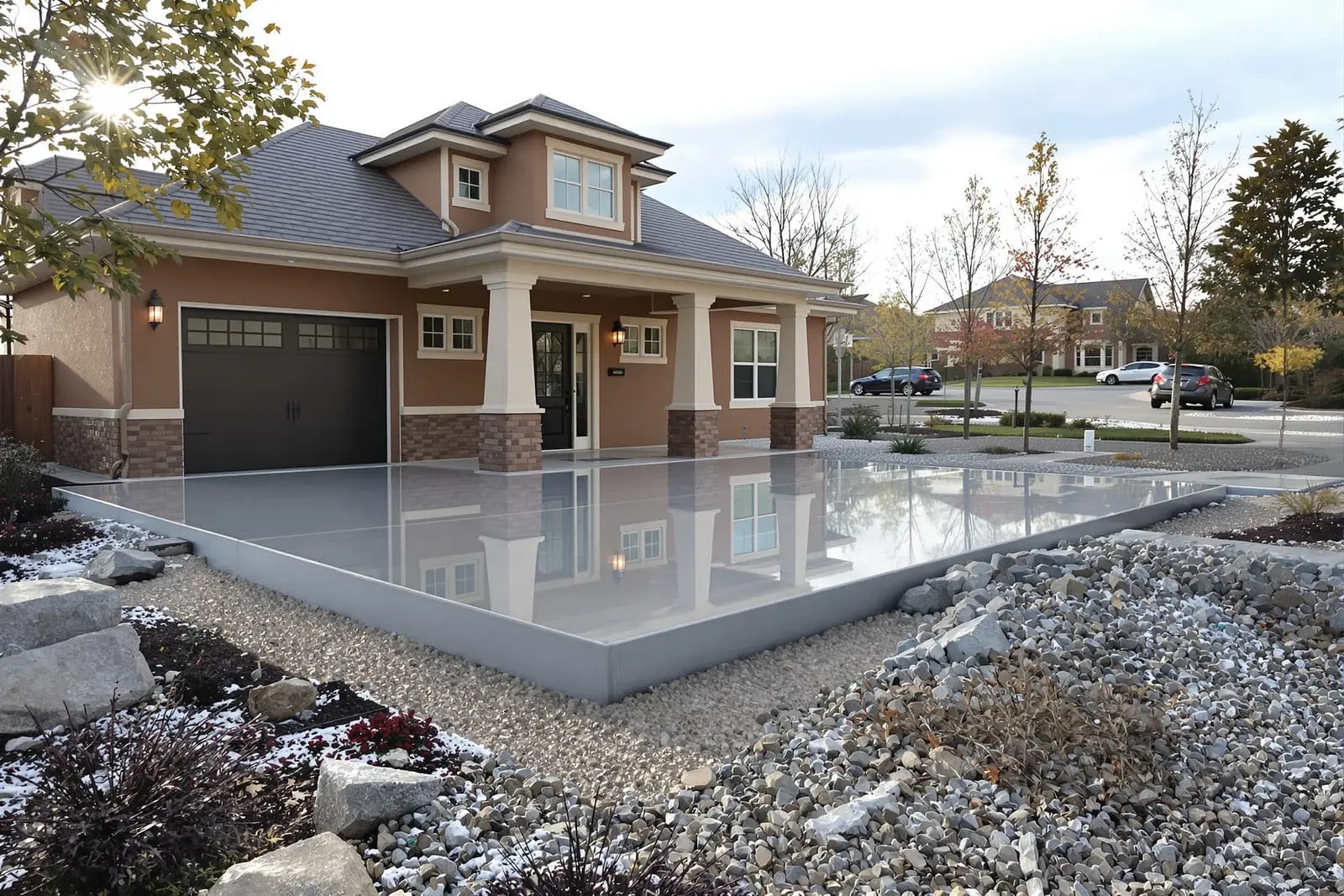
We specialize in commercial concrete flatwork in San Antonio, TX including floors, dumpster pads, loading areas, and walkways. Our team pours level, jointed slabs that handle forklift and vehicle loads. From vapor barriers to curing, we follow best practices to deliver durable flatwork for your facility.
Vanguard Concrete San Antonio provides professional commercial concrete flatwork throughout San Antonio, TX and the surrounding area. Our licensed, insured crew delivers safe, clean, on-time work with a free estimate before anything begins. Call (726) 200-1600 or request your free quote.
Commercial Concrete Flatwork Built for San Antonio Businesses
Vanguard Concrete San Antonio installs commercial concrete flatwork that is engineered for heat, heavy use, and long service life in our local conditions. We focus on getting the slab design right for how your site will actually be used, not just pouring a standard mix and walking away.
Most of our calls for commercial concrete flatwork in San Antonio come from property managers, GCs, and business owners who need new slabs for warehouses, retail centers, restaurants, equipment pads, and parking or loading areas. We look at traffic type (pedestrian, forklifts, delivery trucks, semi trailers), soil conditions on your lot, drainage paths, and how future expansions might tie into the work.
From the start, you work with an estimator who understands structural slab requirements, ADA compliance, and local San Antonio code. We walk the site, measure critical slopes and elevations, locate utilities, and identify any problem soils or drainage issues that could crack or tilt the concrete later. You get a clear scope that explains thicknesses, reinforcement type, and joint layout in plain language so you know exactly what you are buying.
Our Process for Commercial Slabs and Flatwork
Installing commercial concrete flatwork correctly is about more than concrete strength. It is about controlling movement, moisture, and loads over time.
1) Site evaluation and layout: We start by shooting grades with a laser to confirm elevations, tie into existing entries or dock heights, and plan drainage away from buildings and foundations. In San Antonio, flat areas that look level often pond water after a heavy storm, so we set subtle slopes toward drains or landscaping.
2) Subgrade preparation: We strip organics, proof roll with equipment to find soft spots, and rework those areas with compacted base. For most commercial slabs we use a compacted base of crushed limestone or flex base, checked with density tests if the load demands it.
3) Forms, edge details, and blockouts: We set steel or wood forms to the finished grade, build blockouts for drains, bollards, and equipment, and create thickened edges where forklift or vehicle loads transition onto the slab.
4) Reinforcement and vapor control: Depending on design, we install rebar on chairs, welded wire mesh, or dowels that tie into existing slabs. For interior slabs or spaces that will receive flooring, we can add a vapor barrier and adjust mix design to control moisture transmission.
5) Placement, finishing, and curing: We place concrete with the right slump to avoid segregation, then strike off, bull float, and power trowel or broom finish as specified. For large pours, we often use laser screeds for flatness. Curing is managed with curing compounds or wet cure methods so the slab gains strength evenly and reduces shrinkage cracking.
6) Sawcutting joints: Control joints are sawcut at the right time and spacing for the slab thickness so that cracks follow planned lines instead of appearing randomly.
Slab Types, Thicknesses, and Reinforcement Options
Different commercial uses in San Antonio require different slab designs. Vanguard Concrete San Antonio will propose a build that matches your actual traffic and future plans, not a one size fits all detail.
Light duty flatwork: For standard pedestrian areas, patios, sidewalks, and courtyards in shopping centers or office complexes, 4 inch slabs with light reinforcement and properly spaced joints are usually sufficient. We focus on clean edges and ADA compliant transitions that avoid trip hazards.
Medium duty slabs: For drive aisles, dumpster pads (with lighter trucks), and small delivery areas, we typically recommend 5 to 6 inch concrete with rebar or heavy welded wire mesh and a compacted base. We also add thicker panels at dumpster wheels and turning points where stress concentrates.
Heavy duty and industrial slabs: Warehouse floors with forklifts, semi trailer loading areas, and equipment pads often require 6 to 8 inch slabs or thicker with rebar grids, dowelled joints, and sometimes double mat reinforcement at high load points. Here, subgrade prep and joint layout matter as much as concrete strength.
Interior vs exterior: For interior commercial slabs that will receive epoxy, tile, or other finish flooring, we pay special attention to flatness (FF/FL numbers if required by the project) and moisture. Exterior slabs must handle UV, heat, and stormwater, so we prioritize slope, surface texture, and proper edges at landscaping or pavement tie ins.
Finishes, Textures, and Functional Details
Commercial concrete flatwork does not have to be plain if it plays a role in your customer experience or brand image. Vanguard Concrete San Antonio offers finish options that keep surfaces safe and functional while still looking professional.
Surface textures: For sidewalks, outdoor seating, and pedestrian routes, we typically install a light to medium broom finish that provides slip resistance even when wet. For loading docks and ramps we often increase the broom texture or add a tined finish for traction.
Machine finished slabs: Interior warehouse and shop floors often receive a steel trowel finish, sometimes with multiple passes, for a denser surface. This helps with dust control and makes it easier to roll equipment. When specified, we can add a hardened surface or sealer later for abrasion resistance.
Decorative and branded areas: For retail entries or outdoor dining at restaurants, we can saw cut patterns, include colored concrete, or combine broom and trowel finishes to break up large areas. Joint layouts can be aligned with storefronts, column lines, and landscaping so the finished flatwork looks intentional instead of patchwork.
Functional details: We pay attention to curbs, wheel stops, bollard foundations, and transitions to asphalt. These small elements protect your building, keep vehicles where they belong, and reduce the need for repairs after a tenant build out or change in use.
San Antonio Specific Challenges and How We Design Around Them
Concrete slabs in San Antonio face intense heat, occasional hard freezes, clay based soils in many areas, and sudden heavy rain events. Each of these factors can damage poorly designed flatwork.
Heat and sun exposure: High surface temperatures accelerate curing, which can lead to surface checking and early shrinkage cracks. We often schedule larger pours early in the morning, adjust mix designs and water content, and use proper curing compounds so the slab does not dry out too fast.
Expansive or variable soils: Many commercial sites around San Antonio have patches of expansive clay mixed with fill. Before we pour, we probe the subgrade and may recommend undercut and replacement with compacted base, or a thicker slab section, in problem areas. For slabs next to buildings, we pay special attention so movement in surrounding soils does not transfer directly into the slab.
Drainage and ponding: Flat parking lots and loading zones can hold water for days if slopes are not set correctly. We design commercial concrete flatwork with intentional drainage paths, using a minimum slope that still meets ADA where required. If the existing site has low spots, we build them into the plan so they are corrected, not covered up.
Future trenching and modifications: In growing commercial areas, tenants often add plumbing, electrical, or equipment later. Where possible, we plan joint layouts and reinforcement so that future trenching can follow joints or non critical areas, minimizing the risk of random cracking when modifications are made.
Cost Factors for Commercial Concrete Flatwork in San Antonio
Vanguard Concrete San Antonio prices commercial concrete flatwork based on what it actually takes to build a slab that will last in your specific conditions. We explain the drivers of cost so you can make informed decisions instead of just comparing square foot numbers.
Key cost components include:
Slab thickness and reinforcement: Every extra inch of thickness and every increase in rebar spacing or bar size affects volume and labor. For example, moving from a 5 inch lightly reinforced slab to a 7 inch rebar grid is a significant jump but often justified in high load areas like loading docks.
Subgrade and base preparation: Sites with weak soils, demolition of old slabs, or the need to import and compact base material will cost more than sites with clean, firm subgrade. Skimping here is the fastest way to create slabs that settle or crack.
Access and phasing: Downtown San Antonio, tight retail centers, or active facilities sometimes require night pours, smaller trucks, pumping, or phased work to keep businesses operating. These logistics add to cost but avoid shutting down your operations.
Finish level and tolerances: Standard broom finishes on exterior slabs are more economical than high flatness, hard troweled warehouse floors or decorative entry plazas. If your project requires specific tolerances or surface treatments, we itemize those so you can see where the investment goes.
We provide detailed, written proposals that show square footage, thickness, reinforcement, and finishes, not just a lump sum. That transparency makes it easier to evaluate options and avoid unpleasant change orders later.
Why Work With Vanguard Concrete San Antonio
For commercial concrete flatwork, you need a contractor who understands structure, schedule, and safety. Vanguard Concrete San Antonio brings field experience with retail centers, industrial sites, offices, and municipal projects throughout the San Antonio area.
Coordination with other trades: We coordinate slab pours with underground utilities, framing, steel erection, and paving so you do not lose days to conflicts. We confirm embeds, anchor bolt locations, and blockouts before pour day so the slab is ready for the next trade.
Quality and documentation: On larger projects we can document mix tickets, reinforcing placement, and pour sequences. We are comfortable working under a GC structure with inspections, testing agencies, and project management software.
Local accountability: Because we are based here, we know the soils, inspectors, ready mix suppliers, and typical commercial details used in San Antonio. If an issue arises, you are dealing with a local team that can come back and address it, not an out of town crew that has moved on.
Whether you need a single heavy duty equipment pad or a full site package of sidewalks, parking, and warehouse slabs, we approach commercial concrete flatwork as a long term asset for your property, not just another pour on the schedule.
“
Professional commercial slabs & flatwork, done right the first time, quality materials, honest pricing, and results that last.
Vanguard Concrete San Antonio
Commercial Slabs & Flatwork Across Our Service Area